Brand-Name Baby Gear on a Budget: What’s Worth Buying Secondhand
When you’re preparing for a baby, the list of “must-haves” can feel endless and expensive. Strollers that rival the price of a designer handbag. High chairs with designer-level finishes. Swings, bouncers, bassinets, carriers, cribs. It adds up quickly.
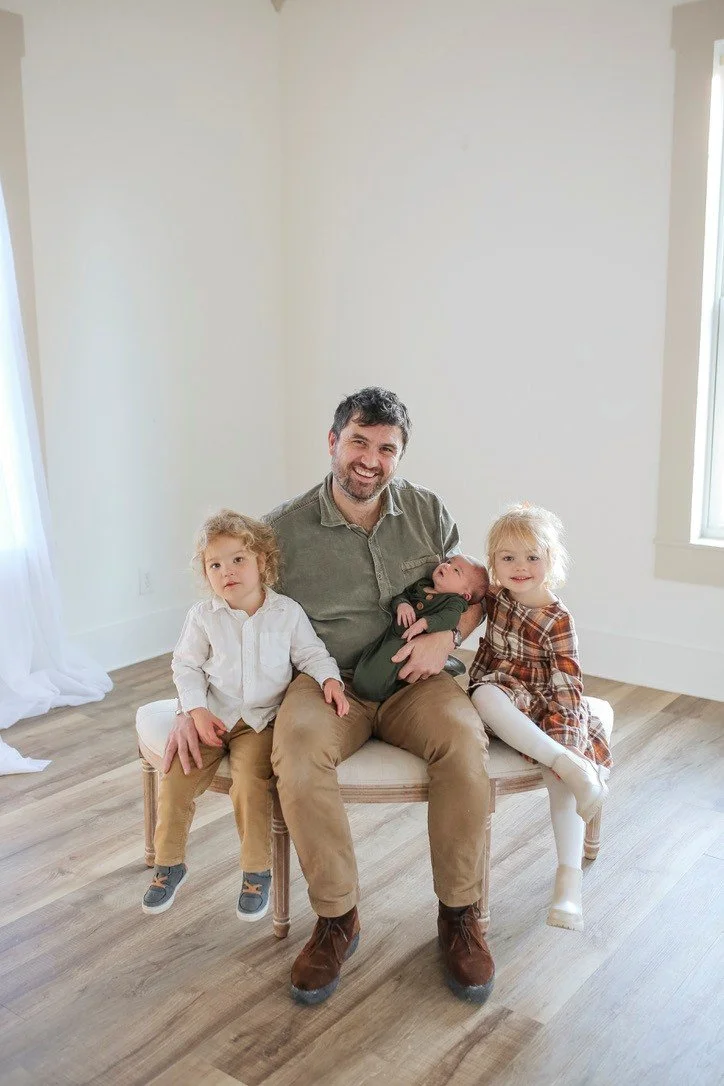
As a dad of three kiddos under the age of five, I know firsthand how quickly baby gear expenses add up and how important it is to get the products you trust without blowing your budget.
The good news is that buying secondhand strategically can save you hundreds (sometimes thousands) of dollars. The key is knowing what’s worth buying used, what’s not, and how to shop smart.
Let’s break it down.
Start With the Big-Ticket Items
If your goal is meaningful savings then ensure you prioritize the premium versatile gear that is on the more expensive side.
You’ll see the biggest financial impact by shopping secondhand for major pieces like:
Strollers
High chairs
Playards
Nursery furniture (not including a crib)
These are items that often retail for several hundred dollars or more. Buying one secondhand can instantly cut that cost in half (or better), freeing up room in your budget for other essentials.
A $900 stroller purchased for $450? That’s real savings. Smaller items like bottle warmers or diaper pails may not offer the same return on effort. Focus your energy where the savings are most substantial without sacrificing on your little one’s safety.
Do Your Research (Safety First, Always)
Saving money should never mean cutting corners on safety. Before purchasing any secondhand baby gear, do your homework:
Check for Product Recalls
Make sure the product isn’t currently under recall. A quick search on the manufacturer’s website or the Consumer Product Safety Commission (CPSC) database can give you peace of mind.
Confirm It Meets Current Safety Standards
Safety standards evolve. An older product may have been compliant at the time of purchase but no longer meet today’s requirements. Check the manufacturing date and compare it to current guidelines. Along with the expiration date of the product.
Know What Parts Should Be Included
Many baby products include critical components that aren’t always obvious. For example:
Specific harness pieces
Infant inserts
Tray attachments
Screws or hardware
Canopies or adapters
Before you meet a seller, review the product manual online and make a checklist of included parts. Missing components can compromise safety or cost you more to replace later.
A little research upfront prevents safety risks and a lot of headaches later.
One Hard Rule: Don’t Buy Used Car Seats
There’s one category where it is non-negotiable in buying new car seats.
Car seats are safety-critical equipment. Even a minor accident can compromise their structural integrity and damage isn’t always visible.
When buying used, you typically can’t verify:
Whether the seat has been in a crash
How it was stored
Whether it was cleaned properly
If any components were replaced
Because you can’t fully confirm its history, the risk simply isn’t worth it. Invest in a new car seat from a trusted retailer with the tags intact, always. It’s one place where buying secondhand doesn’t make sense.
Why Leading Brands Shine in the Secondhand Market
There’s a reason certain brands dominate resale platforms.
Premium baby gear companies design their products to last. They use higher-quality materials, invest in stronger engineering, and manufacture to exacting safety standards. Many of these products are built to withstand years of daily use and multiple children. That durability is exactly what makes them ideal for secondhand shopping.
When you buy from leading brands on the resale market, you’re often getting:
Superior materials
Better structural integrity
Thoughtful design features
Stronger resale value
Verified safety standards backed by reputable certifications and third-party testing
For example, Facebook Marketplace is full of UPPAbaby Vistas. Why? Because they’ve been one of the best-selling strollers of the past decade. They’re popular, durable, and built to grow with families. That combination makes them widely available and a smart secondhand purchase.
Brand recognition matters here. Established brands tend to hold up better over time and hold their value, too.
Be Flexible, It Pays Off
If you’re laser-focused on one exact model in one exact color, your search may take longer or cost more. On the other hand, you can dramatically increase your chances of finding a great deal by being open to:
Multiple colors
Two comparable models
Minor cosmetic imperfections
This is especially true for niche products. Highly specific or limited-edition items may be harder to find used. Meanwhile, popular mainstream products from leading brands are widely available.
Again, think about the Vista example. It’s everywhere because it’s one of the best-selling strollers of the past decade. Popular products create a healthy resale ecosystem. If your top choice doesn’t show up, consider your second choice. A small compromise in color could mean a big win for your wallet.
Understand How Different Products Are Used
Not all baby gear experiences the same level of wear and tear. Before buying secondhand, think about how long and how intensively an item is typically used.
Heavier Use Items
Strollers, for example, are often used daily for years. They endure sidewalks, parks, car trunks, weather, and travel. A secondhand stroller may show some cosmetic wear, but if it’s from a high-quality brand, it was likely designed to handle years of use. Many premium brands also offer replacement parts such as new wheels, handlebar covers, or seat fabrics so you can refresh high-wear components and extend the stroller’s life even further.
Short-Term Use Items
On the other hand, products like bouncers, infant swings, and baby carriers are often used for only a few months before babies outgrow them. Many families store them and sell them in excellent condition.
These categories can be hidden gems on the secondhand market. You may find near-new quality for a fraction of retail. Understanding usage patterns helps you set realistic expectations and identify the best opportunities.
Consider Overstock and Open-Box Alternatives
There’s another option that sits between retail and resale and it’s one I’m particularly passionate about: overstock and certified returns.
At Stork Exchange, we focus on helping families save on premium baby gear by offering:
Overstock inventory
Certified returns
Unused products
This model allows parents to access leading premium brands at lower-than-retail prices, up to 50% off, without worrying about prior wear, missing parts, or unknown product history. Every item goes through a rigorous inspection process once entering our warehouse before receiving a safety seal of approval from our trained staff.
You get the savings of secondhand shopping with the peace of mind that comes from new, unused gear.
For many families, it’s the best of both worlds.
The Bigger Picture: Buy Smarter, Not More
Here’s something I always tell parents: babies don’t need everything the market says they do. If you invest in a few high-quality, versatile items and buy them strategically you’ll often spend less overall.
Secondhand shopping, when done thoughtfully, supports:
Your budget
Sustainability
Reduced waste
Longer product lifecycles
Premium baby gear is designed to last. Giving it a second life keeps it out of landfills and in the hands of families who need it.
A Checklist for Secondhand Success
If you’re unsure where to begin, here’s a quick checklist:
Buy secondhand:
Strollers
High chairs
Swings and bouncers
Playards (after checking safety standards)
Popular, durable items from leading brands
Buy new:
Car seats
Any product where safety history cannot be verified
Always:
Check recalls
Confirm all parts are included
Research manufacturing dates
Be flexible on aesthetics
And if you’d prefer savings without uncertainty, explore overstock and certified return options from trusted sources like Stork Exchange.
Preparing for a baby is one of the most exciting seasons of life but it can also feel financially overwhelming. You don’t need to sacrifice quality to stay on budget. By prioritizing big-ticket items, choosing trusted brands, doing your research, and knowing where not to compromise, you can build a nursery that’s safe, stylish, and smartly sourced.
At the end of the day, it’s not about buying the most gear. It’s about buying the right gear for your family, your lifestyle, and your budget.